Have you ever walked into a business and immediately noticed cracked tiles or grimy, fading grout? It’s a small detail that sends a loud message about your brand.
In Perth, commercial floors take a beating. Between the relentless foot traffic of a retail hub, the moisture and chemicals in a high-pressure hospitality kitchen, and the hygiene demands of a medical clinic, standard tiling just doesn't cut it.
You need a surface that handles the heat and heavy-duty wear without losing its professional edge. At Modern Trend Tiling, we bridge the gap between rugged durability and high-end aesthetics, delivering commercial-grade installs that are built to last as long as your business.
The Modern Trend Tiling Advantage:
From boutique office fit-outs to large-scale industrial kitchens, we provide the precision and speed needed to keep your project on schedule.
Reach out today to discuss your project or claim your FREE quote within 24 hours.

If your workspace is showing any of the following symptoms, it’s time to transition to a high-performance tiled surface:
Compromised Safety & Compliance: You have visible cracks, loose tiles, or damaged sections that create trip hazards and fail to meet Australian slip-resistance standards.
Hygiene & Maintenance Struggles: Your existing grout is porous, stained, or deteriorating, making it impossible for cleaning crews to maintain the sanitation levels required for medical or hospitality settings.
Aesthetic Brand Decline: Worn, dated, or mismatched flooring is impacting customer perception and diminishing the professional atmosphere of your retail or office space.
High-Traffic Wear: Your current surfaces are scuffing or failing under the weight of heavy equipment, trolleys, or constant foot traffic in entryways and corridors.
Moisture & Chemical Exposure: In kitchens or industrial zones, your floor is showing signs of chemical erosion or water ingress, threatening the structural slab beneath.
Regulatory Pressure: You are undergoing a fit-out or renovation and need to ensure your surfaces meet strict building codes and workplace safety guidelines.
Unlike residential tiling, we use industrial-strength adhesives and high-density porcelain or stone designed to handle the load. By upgrading before a minor crack becomes a major liability, you protect your property value and ensure your business remains a safe, welcoming environment for staff and clients alike.
Costs vary depending on project size, tile material, site preparation, accessibility, and installation complexity.
| Project Component | Typical Perth Price Range |
| Basic ceramic tile installation | $90 – $130 per m² |
| Commercial-grade porcelain installation | $110 – $160 per m² |
| Natural stone floor installation | $150 – $250+ per m² |
| Surface preparation and levelling | $25 – $60 per m² |
| Waterproofing (wet areas) | $30 – $70 per m² |
| Removal and disposal of existing flooring | $20 – $50 per m² |
| Complex layouts, patterns, mosaics | Additional $40 – $90 per m² |
Several variables influence where a project sits within these ranges:
Timeframes depend on building size, surface preparation requirements, material selection, and site access conditions. Smaller spaces, such as shopfronts or office reception areas, may reach completion within two to four days.
Larger commercial floors, hospitality kitchens, medical facilities, or retail centres usually require longer schedules because preparation, waterproofing, curing periods, and precision placement demand careful sequencing.
Site assessment occurs first, allowing installers to evaluate existing surfaces, structural conditions, and moisture exposure.
Preparation follows, which may involve levelling uneven substrates, removing damaged flooring, or applying waterproof membranes where required. Tile placement begins once surfaces meet installation standards. Final stages include grouting, curing, sealing, and detailed cleaning to deliver a professional finish.
Straightforward layouts with standard materials move faster, while intricate patterns, natural stone products, or large-format panels require greater precision and additional installation time.
Use this checklist to vet your contractor before they start your fit-out:
Documented Commercial History: Does the contractor have a portfolio of retail, medical, or hospitality projects? Commercial tiling involves different adhesives, larger scales, and tighter tolerances than residential work.
Compliance & Safety Literacy: Are they fluent in Australian Standards (AS 3958.1)? A professional must ensure all installations—especially slip-resistance ratings—meet the requirements of the WA Building Commission.
Warranty Transparency: Do they offer a meaningful workmanship warranty (like 12 years) along with manufacturer-backed product warranties? A fly-by-night operator won't be around to honor a guarantee if a tile lifts in three years.
Technical Material Knowledge: Can they recommend the right grout and tile density for your specific industry? For example, a commercial kitchen requires non-porous epoxy grout to prevent bacterial growth and chemical erosion.
Risk Mitigation: Verify they carry comprehensive Public Liability and Workers' Compensation insurance. This is non-negotiable for any contractor operating in a public or high-traffic commercial space.
Project Management Discipline: Look for clear, written quotations and realistic timelines. A professional team coordinates with other trades to ensure the tiling phase doesn't become a bottleneck for your entire build.
Porcelain tiles rank among the most durable choices for heavy-use environments. High-density manufacturing creates a very low water absorption rate and strong resistance to scratches, stains, and impact. Commercial-grade porcelain performs well in shopping centres, corridors, restaurants, and public entrances where thousands of footsteps occur daily.
Quarry tiles provide another reliable option for demanding settings. Dense clay composition produces excellent strength and natural slip resistance, making these tiles common in commercial kitchens, food preparation areas, and industrial workspaces. Hospitality operators often prefer quarry products because they tolerate frequent cleaning and chemical exposure.
Granite and natural stone tiles offer exceptional hardness and long-term durability when properly sealed. Busy commercial foyers, luxury retail spaces, and office lobbies frequently use granite surfaces because they resist abrasion while delivering a premium aesthetic. Regular sealing ensures the stone remains protected from staining or moisture penetration.
Large-format porcelain slabs have grown increasingly popular in modern commercial interiors. Fewer grout lines improve hygiene, simplify cleaning routines, and reduce wear points that can deteriorate over time. Retail showrooms, corporate offices, and high-end hospitality spaces often favour this option for both durability and visual impact.
Porcelain remains one of the strongest options for demanding environments. High-density composition provides exceptional resistance to scratches, stains, and impact.
Retail stores, shopping centres, office foyers, and busy corridors frequently benefit from porcelain surfaces because they withstand constant foot traffic while maintaining appearance over many years.
Maintenance routines also become simpler due to low water absorption and strong resistance to cleaning chemicals.
Ceramic materials offer reliable performance in areas with lower traffic levels. Smaller offices, boutique spaces, and consultation rooms often use ceramic products because they provide good durability at a more economical investment level.
A wide range of colours and finishes allows business owners to align interior design with branding or customer experience goals.
Granite, marble, and travertine surfaces deliver a luxurious appearance suited to upscale commercial environments. Hotel lobbies, premium retail stores, and executive office reception areas often select natural stone to create a strong visual statement.
Proper sealing and maintenance ensure these materials maintain strength while protecting against staining or moisture.
Workplaces exposed to water, oils, or frequent cleaning demand additional safety features. Kitchens, food preparation zones, medical facilities, bathrooms, and public entrances commonly require slip-resistant surfaces.
Anti-slip finishes improve traction and reduce the risk of workplace incidents, supporting compliance with Australian workplace safety expectations.
Evaluating daily activity levels, cleaning demands, and overall design objectives helps determine which option best suits each commercial environment.
Slip resistance represents one of the most important compliance factors. Floors exposed to moisture, cleaning chemicals, or frequent foot traffic must provide adequate grip to prevent accidents.
Australian Standard AS 4586: Slip Resistance Classification of New Pedestrian Surface Materials outlines testing methods and slip ratings used across commercial construction.
Areas such as entrances, kitchens, bathrooms, and outdoor walkways often require higher slip ratings due to increased risk of wet surfaces.
Commercial flooring must also align with requirements outlined in the National Construction Code (NCC).
This framework sets minimum construction and safety requirements for buildings throughout Australia, covering factors such as accessibility, durability, and safe movement throughout public spaces.
Surfaces must support safe pedestrian access while remaining suitable for the building’s purpose.
Businesses open to the public must also consider accessibility standards under the Disability (Access to Premises – Buildings) Standards 2010. Flooring should allow safe movement for people using mobility aids, wheelchairs, or walking frames.
Smooth transitions between surfaces, minimal trip hazards, and appropriate traction levels help ensure compliance with accessibility requirements.
Commercial property owners must also follow workplace safety regulations administered in Western Australia through WorkSafe WA.
Employers and building managers hold responsibility for providing a safe environment, which includes maintaining flooring that minimises slip, trip, and fall hazards.
Uneven substrates create problems such as tile cracking, poor adhesion, or visible lippage between edges. Professional installers typically assess existing concrete slabs or flooring bases to determine whether levelling compounds or grinding is required. A flat, consistent base allows precise placement and improves long-term structural performance.
Locations exposed to regular moisture require additional protection. Bathrooms, commercial kitchens, laundries, and food preparation areas often need waterproof membranes beneath the tile layer to prevent water penetration.
Australian Standard AS 3740 – Waterproofing of Domestic Wet Areas provides widely referenced guidance for waterproofing systems used across construction projects.
Proper moisture protection prevents mould growth, structural damage, and costly repairs.
Older commercial properties sometimes contain cracked concrete, deteriorating screeds, or damaged substrates caused by heavy equipment or building movement.
Repairing these structural issues before installation ensures the new tiled surface remains stable. Reinforcement methods, crack treatment, and surface rebuilding may be required depending on site conditions.
Commercial environments often require specialised adhesives designed to handle heavier loads and temperature variations. Surface cleaning, priming, and bonding treatments improve adhesion strength while ensuring long-term durability.
Careful preparation remains one of the most important stages in a successful installation.
When levelling, waterproofing, and substrate repairs are handled correctly, the finished surface delivers better durability, safety, and visual quality for demanding commercial environments.
Yes, many commercial projects can be organised in stages or scheduled outside normal operating hours to reduce disruption.
Businesses such as retail stores, offices, restaurants, and medical facilities often need to maintain daily operations while improvement work takes place.
Experienced installers plan work schedules carefully so areas remain accessible and safe while construction progresses.
Staged installation is a common strategy for larger premises. One section of the building may be completed while another remains open to staff or customers. Once the first area cures and becomes ready for use, crews move to the next zone.
After-hours scheduling provides another practical solution. Evening, overnight, or weekend work allows installers to complete preparation, placement, and finishing processes without interfering with peak trading times.
A professional proposal should outline exactly what tasks will be completed. This section typically explains surface preparation, installation method, grout selection, edge finishing, sealing, and final cleaning.
Clear scope descriptions help ensure all parties understand what services are included from the start.
High-quality quotes identify the specific materials being used. This may include tile type, size, slip rating, adhesive systems, grout products, and sealants.
Material clarity helps property owners confirm suitability for their building’s traffic levels, moisture exposure, and design goals.
Preparation work significantly influences project outcomes. Documentation should explain whether levelling, crack repair, demolition of existing flooring, waterproofing, or substrate reinforcement will be required. Including these details prevents unexpected costs once installation begins.
Reliable contractors provide estimated start dates, installation duration, curing periods, and completion timelines. Scheduling information also explains whether staging or after-hours work will be used to minimise disruption to business operations.
Transparent financial details allow property owners to evaluate value properly. A strong proposal normally separates labour, materials, preparation work, waste removal, and any additional services. This breakdown helps prevent confusion about pricing adjustments later.
Commercial installations must often meet slip resistance standards and workplace safety requirements. Quotes should confirm that installation methods and materials comply with Australian building regulations and relevant safety standards.
Professional installers stand behind their work. Written warranty information covering workmanship and materials provides reassurance that any issues will be addressed if they arise after completion. A thorough quotation reflects professionalism and careful planning.
Rating: ⭐⭐⭐⭐⭐
Name: Megan Gummer
Testimonial: "Joel and his team are nothing short of amazing. The attention to detail was second to none. My kitchen and laundry have finally been brought into the modern era. Awesome guys. Thanks so much !!!"
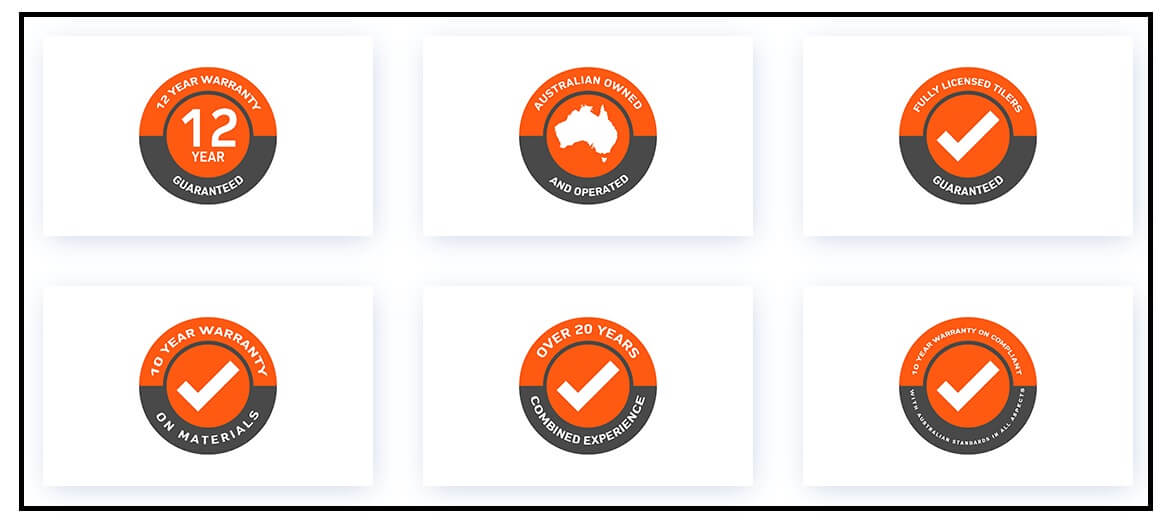
We are so confident in our premium materials and work methods that we guarantee all our work for 12 years.
We have a do it right the first time approach. This allows us to finish your project on time and within budget.
Our job is not finished yet until you are 100% satisfied. That is our promise.
We are a family owned business which means we know and understand the needs of every Australian home and business.
Our goal as a business is primarily to deliver value for money. With our knowledge and industry experience, we can provide the highest quality result that exceeds expectations.
We are fully qualified and insured business so you can rest assured that your project will be in good hands with us.