Ever walked across your living room and felt a tile shift, or noticed grout lines that seem to be crumbling more every week?
In Perth, our homes have to deal with a lot — from the intense summer heat to shifting coastal sands. When floor tiles aren't installed with the right substrate prep or high-quality adhesives, those environmental stressors quickly turn into hollow-sounding floors, drummy tiles, and expensive cracks.
At Modern Trend Tiling, we eliminate the frustration of poor workmanship by delivering precision floor tiling designed specifically for the Western Australian lifestyle. We focus on the structural integrity beneath the tile, ensuring your new floor stays level, stable, and stunning for decades.
The Modern Trend Tiling Advantage:
Whether you’re looking to install expansive large-format tiles in an open-plan renovation or a durable finish for a busy family hub, we provide the technical skill and design eye to get it right the first time.
Reach out today to discuss your project or claim your FREE quote within 24 hours.
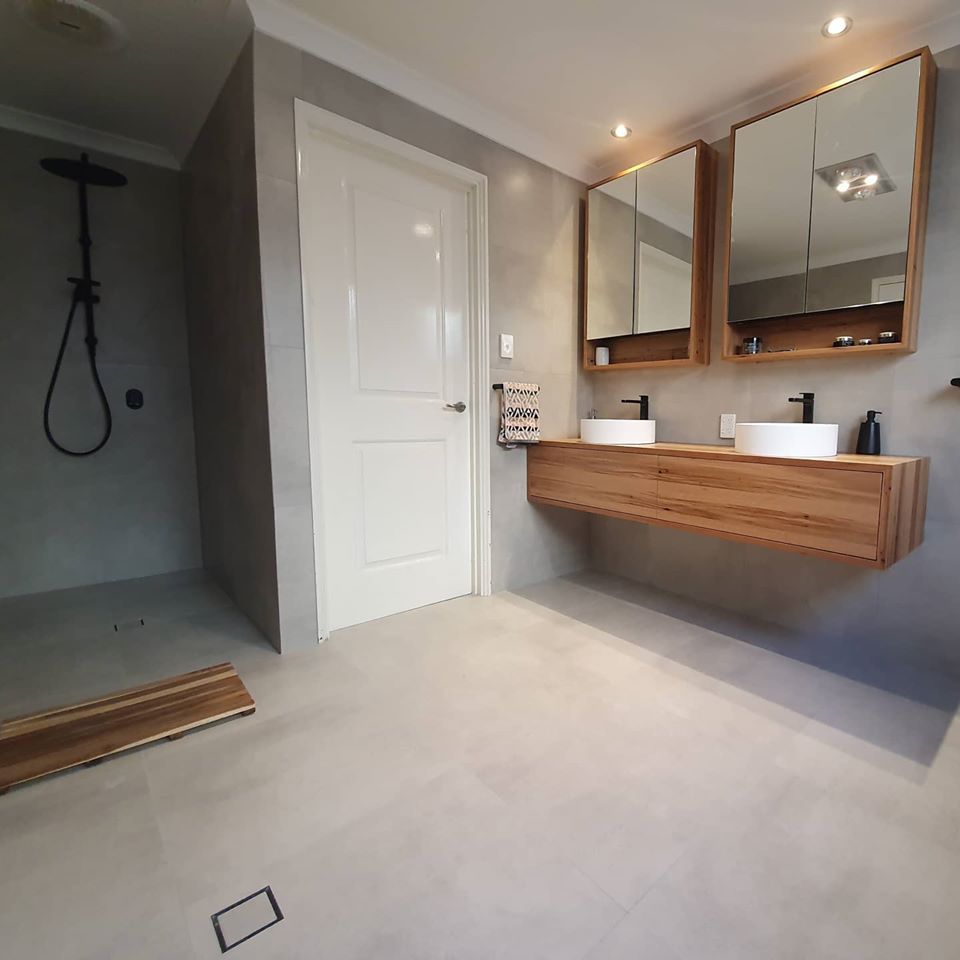
If your current floors are showing any of these "red flags," transitioning to high-quality porcelain or ceramic tiling is your best long-term investment:
Structural Sound Failures: You notice hollow sounds when walking across the room or feel tiles shifting underfoot—a clear sign of adhesive failure or poor substrate preparation.
Persistent Moisture & Hygiene Issues: Your current flooring (like old carpet or lifting vinyl) is trapping moisture, leading to stubborn odors, staining, or mold growth in high-humidity areas like laundries and kitchens.
Surface Integrity Loss: You have visible cracks, chipped edges, or crumbling grout lines that have become impossible to clean or repair effectively.
Material Fatigue: Your laminate is swelling at the joints, or your carpet has worn thin in high-traffic goat tracks through the hallway and living room.
Lifestyle Incompatibility: Your existing floors can’t keep up with pets, kids, or the Perth summer heat, and you need a surface that is scratch-resistant, cool underfoot, and easy to sanitise.
Design Obsolescence: Your flooring looks dated and is dragging down the value of your home, making a modern, large-format tile upgrade the most effective way to refresh your interior.
Unlike "quick-fix" flooring, we create a permanent, structural surface. By choosing a professional installation now, you eliminate the cycle of replacing worn-out materials every few years, giving your home a foundation that is as tough as it is beautiful.
Pricing for residential tile installation varies depending on several practical factors. Material type, surface preparation, layout complexity, and room accessibility all influence final project investment.
Some homes across Perth often require additional preparation because shifting soil conditions and seasonal temperature changes can cause uneven substrates that must be levelled before installation begins.
| Project Element | Typical Perth Price Range | Notes |
| Basic tile installation labour | $45 – $75 per m² | Straightforward layouts with minimal cutting |
| Premium installation labour | $75 – $120 per m² | Complex layouts, patterns, large-format pieces |
| Tile materials (ceramic / porcelain) | $30 – $90 per m² | Mid-range products are commonly used in living spaces |
| Premium materials (natural stone or designer tiles) | $90 – $200+ per m² | High-end finishes such as marble or travertine |
| Surface preparation or levelling | $20 – $60 per m² | Required if the subfloor is uneven or damaged |
| Waterproofing for wet areas | $40 – $80 per m² | Required for bathrooms, laundries, and balconies |
| Removal of existing flooring | $15 – $40 per m² | Depends on material type and disposal requirements |
A straightforward installation in a small room may finish within one or two days, while larger living spaces or renovations requiring extra preparation often extend across several days.
Most homeowners find that floor tiling follows a structured sequence designed to ensure durability rather than speed. Work normally begins with surface preparation. Existing coverings may need removal, followed by levelling or repairing the substrate to create a stable base.
Once preparation finishes, installers measure and plan the layout so each tile aligns evenly across the room and cuts remain balanced along edges. Installation typically takes one day for small areas and two to three days for larger open-plan spaces.
After placement, the adhesive requires a curing time before grouting begins. Grout application usually occurs the following day, with another short waiting period before surfaces are ready for light foot traffic.
Complete curing may take up to 48 hours, depending on product specifications and room conditions.
Use this guide to vet your installer before they touch your home’s foundations:
Substrate & Prep Expertise: Does the contractor discuss floor leveling or screeding during the quote? A professional knows that a flat, stable substrate is the only way to prevent lippage and hollow tiles.
Waterproofing Certification: For any wet area (kitchens, laundries, or bathrooms), ensure they strictly follow AS 3740. Ask if they provide a compliance certificate—without it, your insurance may not cover future leaks.
Layout & Symmetry Planning: A great tiler plans the cut before they start. Ask how they intend to center the layout to avoid awkward, thin slivers of tile against your skirting boards.
Workmanship Guarantee: Verify they offer a long-term warranty (like our 12-year workmanship guarantee). This shows they are confident their installation can handle Perth’s seasonal shifting.
Detailed, Itemised Quotations: Avoid back-of-the-envelope pricing. A professional quote should clearly break down costs for demolition, surface prep, materials, and disposal.
Portfolio of Local Work: Look for high-resolution photos of their recent Perth projects. Pay close attention to the grout consistency and how they handle tricky areas like doorways and floor wastes.
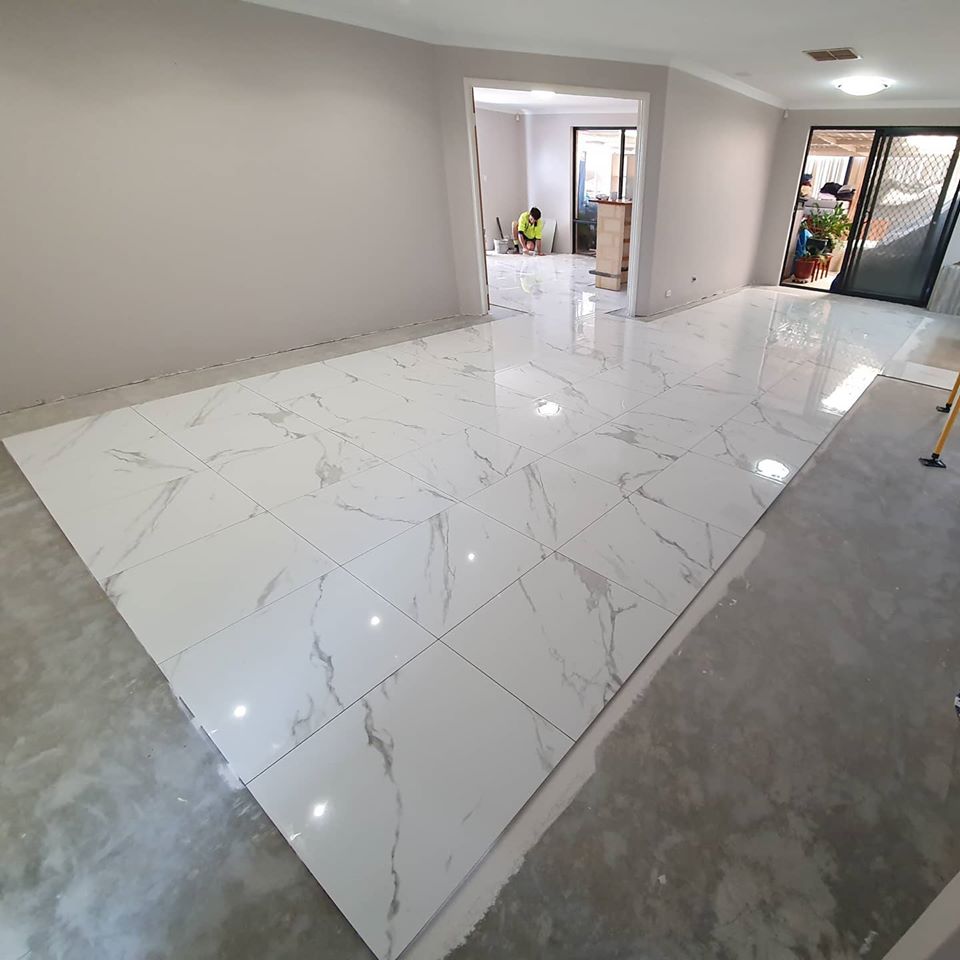
Design trends across Perth homes currently favour clean lines, natural textures, and spacious visual flow.
Many homeowners choose tiles that create a seamless transition between indoor and outdoor living areas, reflecting Western Australia’s lifestyle, where patios, kitchens, and living rooms often connect visually.
Large-format porcelain tiles remain one of the most sought-after choices. Sizes such as 600×600 mm, 600×1200 mm, and 800×800 mm create fewer grout lines, which produces a smoother appearance and simplifies cleaning.
Open-plan layouts common in modern Perth builds benefit from these larger dimensions because they visually expand floor space while maintaining a contemporary aesthetic.
Stone-look finishes also dominate recent renovations. Porcelain surfaces that replicate limestone, travertine, and marble offer the visual character of natural stone while providing greater durability and lower maintenance.
Soft neutral tones—warm beige, sandy grey, and subtle charcoal—pair well with timber cabinetry and modern coastal interior styles frequently seen in Western Australian homes.
Timber-look planks represent another popular option. These tiles typically measure 200×1200 mm or 300×1200 mm, mimicking hardwood flooring while offering water resistance and stability in Perth’s fluctuating temperatures. Many homeowners prefer this format for living areas where a warm timber aesthetic blends with the durability of porcelain.
Patterned layouts have also gained attention in feature spaces. Herringbone and stacked plank arrangements introduce visual interest without overwhelming a room.
Entryways, kitchens, and bathroom floors often incorporate these layouts to add architectural detail. Slip-resistant surfaces remain particularly important for Australian homes, especially near pools, alfresco areas, and bathrooms.
Porcelain tiles remain one of the most reliable options for residential flooring. Dense manufacturing makes porcelain highly resistant to moisture, staining, and scratching. Kitchens, hallways, and open-plan living areas benefit from this durability because heavy foot traffic rarely affects performance. Many designs also replicate timber or stone textures, providing design flexibility without increased maintenance.
Ceramic tiles provide a cost-effective alternative suited to lighter-traffic areas such as bedrooms or small living spaces. Manufacturing processes produce a slightly softer surface compared with porcelain, which makes ceramic easier to cut and install. While durability remains strong, ceramic usually performs best where impact and moisture exposure remain moderate.
Natural stone tiles such as limestone, travertine, or slate deliver a distinctive character that manufactured materials often imitate. Each piece features subtle variation in colour and texture, creating a unique appearance across floors. Regular sealing protects porous stone surfaces from moisture absorption and staining, which makes maintenance slightly higher but worthwhile for homeowners seeking organic aesthetics.
Marble tiles represent a premium architectural finish often used in high-end interiors. Polished marble creates a luxurious surface with dramatic veining patterns that elevate entryways, bathrooms, or feature spaces. Despite its elegance, marble requires careful sealing and ongoing care to protect against scratches or etching from acidic substances.
Proper preparation forms the foundation of successful floor tiling. Without careful groundwork, even high-quality materials can develop cracks, loose edges, or uneven surfaces over time.
Preparation ensures the substrate provides a stable, moisture-resistant base capable of supporting tiles for decades.
Surface levelling often represents the first stage. Subfloors must remain flat and structurally sound before installation begins.
Uneven concrete or timber bases frequently require self-levelling compounds or screeding to correct dips, slopes, or imperfections. Screeding creates a smooth, uniform layer that improves adhesion while preventing future movement beneath tiles.
Moisture protection becomes particularly important in wet areas such as bathrooms, laundries, and balconies.
Australian construction regulations require waterproof membranes in these spaces to prevent water penetration that could damage surrounding structures.
Installers typically apply liquid membranes or sheet systems before placing tiles, ensuring compliance with the National Construction Code and Australian Standard AS 3740 for waterproofing.
Cleaning and priming also play essential roles during preparation. Dust, grease, or old adhesive residue can weaken bonding strength.
Modern floor tiling solutions are designed to perform exceptionally well in high-traffic areas such as kitchens, hallways, entryways, and open-plan living spaces.
Porcelain and high-quality ceramic tiles, in particular, are manufactured through high-temperature firing processes that produce dense, hard surfaces capable of resisting wear, scratches, and heavy foot traffic. Because of this strength, many Perth homeowners choose tiles for busy family homes where durability and long-term reliability matter.
Another advantage comes from moisture resistance. Unlike timber or laminate, tile surfaces do not swell when exposed to spills or humidity. Kitchens, bathrooms, and laundry rooms benefit from this stability, especially in Perth’s warm climate, where temperature fluctuations can affect other materials.
Proper installation and grouting further enhance durability by preventing movement and protecting the substrate beneath.
Maintenance requirements remain minimal compared with many alternative flooring types. Routine care usually involves simple sweeping or vacuuming to remove dust and debris, followed by occasional mopping using a mild cleaning solution. Glazed porcelain or ceramic tiles resist staining, which means spills can be cleaned quickly without leaving marks.
Grout maintenance occasionally requires attention, particularly in areas exposed to frequent moisture. Periodic sealing or gentle cleaning helps maintain appearance and hygiene.
Many homeowners consider DIY installation to save money, especially for smaller rooms or renovation projects. However, successful floor tiling requires precise preparation, specialised tools, and strong technical knowledge. Even minor mistakes during measurement, levelling, or adhesive application can lead to uneven surfaces, cracked grout, or tiles that loosen over time.
Professional tilers follow a structured process designed to produce consistent, long-lasting results. Surface preparation often involves levelling the substrate, correcting moisture issues, and ensuring proper bonding conditions before installation begins. Experienced tradespeople also plan tile layouts carefully to maintain balanced spacing, minimise awkward cuts along edges, and create visually pleasing symmetry across the room.
Another advantage of hiring skilled installers involves compliance with Australian construction standards.
Wet areas such as bathrooms and laundries require waterproofing systems that meet National Construction Code requirements and relevant Australian Standards. Incorrect preparation in these environments can cause water damage beneath the flooring, leading to costly repairs later.
| Quote Component | What Should Be Listed |
| Site preparation | Removal of old flooring, levelling, and substrate repairs |
| Waterproofing (if applicable) | Membrane installation for bathrooms, laundries, and balconies |
| Tile supply | Tile type, size, quantity, and price allowance |
| Installation labour | Layout planning, cutting, placement, grouting |
| Materials | Adhesives, grout, trims, sealants |
| Waste removal | Disposal of old materials and packaging |
| Timeline | Estimated start date and project duration |
| Warranty details | Workmanship guarantee and product warranties |
We are so confident in our premium materials and work methods that we guarantee all our work for 12 years.
We have a do it right the first time approach. This allows us to finish your project on time and within budget.
Our job is not finished yet until you are 100% satisfied. That is our promise.
We are a family owned business which means we know and understand the needs of every Australian home and business.
Our goal as a business is primarily to deliver value for money. With our knowledge and industry experience, we can provide the highest quality result that exceeds expectations.
We are fully qualified and insured business so you can rest assured that your project will be in good hands with us.