Ever walked into your kitchen and noticed chipped splashbacks, stained grout, or dated surfaces that make an otherwise beautiful home feel tired?
In many Perth homes, the kitchen is the highest-traffic zone, meaning surfaces are constantly battling grease, moisture, and high heat. When finishes start to absorb stains or clash with modern design, the whole house feels the impact.
At Modern Trend Tiling, we specialise in high-performance kitchen transformations that create a resilient, hygienic environment that stands up to the demands of a busy WA household. From heat-resistant splashbacks to durable, non-slip flooring, we ensure your kitchen remains the polished heart of your home.
The Modern Trend Tiling Advantage:
Whether you're dreaming of an intricate mosaic feature wall or a seamless, large-format floor upgrade, we provide the craftsmanship to make it happen.
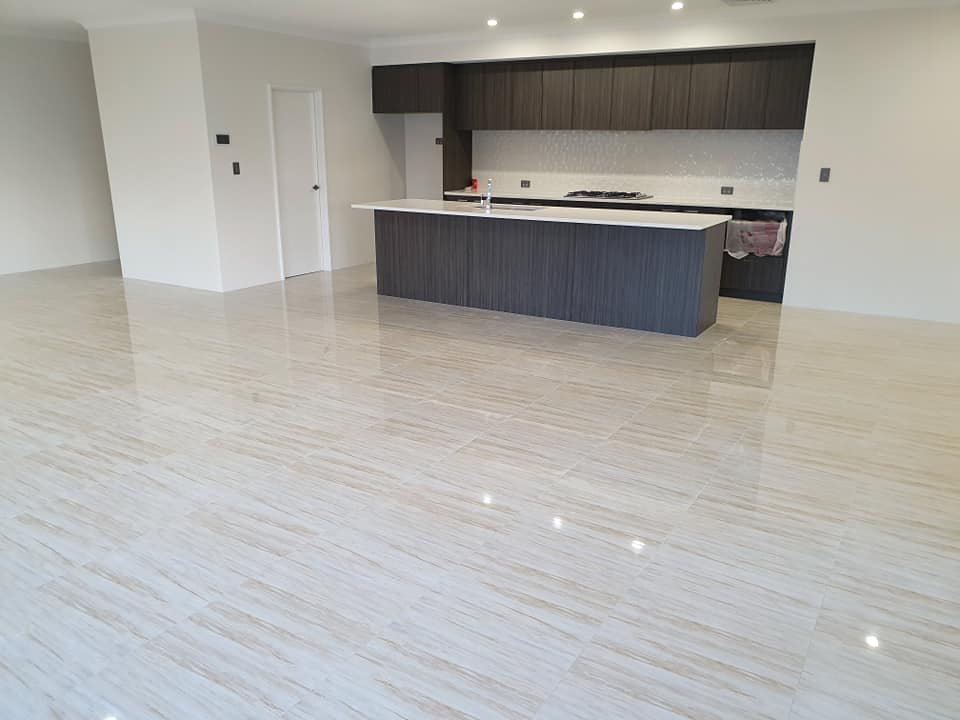
Reach out today to discuss your project or claim your FREE quote within 24 hours.
If your splashbacks or floors are showing any of the following symptoms, a high-performance tile refresh is your best path to a hygienic, modern kitchen:
Compromised Hygiene: Your grout lines are permanently stained, pitted, or crumbling, making it impossible to properly sanitise surfaces near food preparation areas.
Moisture Ingress: You notice water seeping behind the splashback or around the sink, which can lead to hidden mold growth and the swelling of expensive cabinetry.
Heat Damage & Cracking: Existing tiles have developed hairline fractures or have become loose due to constant expansion and contraction near stovetops and ovens.
Substrate Failure: Tiles sound hollow when tapped or have begun to lift (tenting), indicating that the original adhesive has failed or the house has shifted.
Design Disconnect: Your current tiles clash with new benchtops or appliances, making a splashback upgrade the most cost-effective way to modernise the entire room.
Surface Porosity: Older ceramic or stone surfaces have lost their seal and are now absorbing grease and oils, leaving permanent, unsightly marks.
Unlike a basic DIY job, we use high-specification, heat-stable adhesives and non-porous grouts specifically designed for the"splash zone. By upgrading now, you’re installing a durable barrier that protects your home’s structural integrity and resale value.
Costs for kitchen tiling in Perth vary depending on surface area, tile material, preparation work, and installation complexity.
Splashbacks usually require less labour than full wall installations, while patterned layouts, mosaics, or large-format pieces can increase installation time and craftsmanship requirements.
| Project Component | Typical Price Range | Notes |
| Splashback installation (labour only) | $120 – $200 per m² | Straightforward layouts with standard materials |
| Full wall tiling around the kitchen | $130 – $220 per m² | More extensive coverage increases labour hours |
| Tile supply – ceramic | $30 – $80 per m² | Popular for splashbacks and wall finishes |
| Tile supply – porcelain | $50 – $120 per m² | Higher durability and moisture resistance |
| Natural stone or designer products | $100 – $250+ per m² | Premium appearance, requires specialised installation |
| Surface preparation or levelling | $20 – $60 per m² | Needed when the substrate is uneven or damaged |
| Old surface removal | $40 – $90 per m² | Includes demolition and disposal |
| Waterproofing (if required) | $30 – $70 per m² | Often recommended near sinks or cooking zones |
A typical kitchen tiling project in Perth usually takes between one and three days, although timing depends on surface size, preparation requirements, and layout complexity.
Small splashback installations often finish within a single day because the area is compact and preparation work remains minimal. Larger projects covering full walls or multiple sections naturally require additional time for careful placement and alignment.
Work normally unfolds in several clear stages. Preparation comes first, which may involve removing old coverings, levelling surfaces, or applying waterproof membranes near sinks and cooktops.
Next comes installation, where each tile is positioned precisely with appropriate spacing and adhesive curing time. Final stages include grouting, sealing where necessary, and detailed cleaning to achieve a polished finish.
Complex patterns, mosaic designs, or natural stone materials may extend the timeline because installers must work more carefully to maintain symmetry and visual balance.
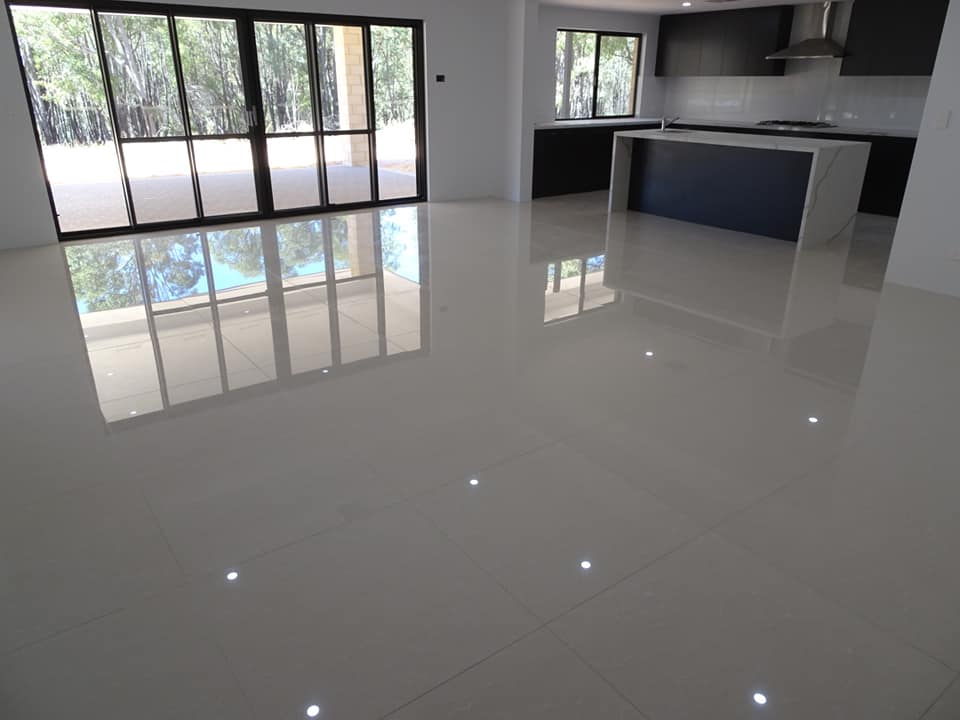
Use this guide to vet your installer before they begin transforming the heart of your home:
Symmetry & Layout Planning: A true craftsman will plan the layout to ensure the splashback is perfectly centered. Ask how they intend to handle cuts around power points and range hoods to avoid unsightly, tiny slivers of tile.
Material-Specific Expertise: Different materials require different techniques. Ask if your tiler has experience with your specific choice—whether it’s large-format porcelain, delicate handmade subways, or heavy natural stone.
Heat & Moisture Resilience: Ensure the contractor uses high-specification, heat-stable adhesives. For areas near sinks, verify they are using compliant waterproofing membranes (AS 3740) to protect your cabinetry.
Precision Finishing: Look at their portfolio for clean transitions. A professional finish includes mitered edges or high-quality trim profiles where tiles meet walls or cabinetry, rather than leaving raw, exposed edges.
Comprehensive Warranty: Look for a long-term workmanship guarantee (like our 12-year warranty). This ensures that if a tile shifts or grout fails due to Perth’s seasonal movement, you are fully covered.
Transparent Project Management: Avoid vague estimates. A professional quote should clearly itemise demolition of old tiles, surface preparation, and debris removal so there are no "hidden surprises" halfway through the job.
In many homes, tiled surfaces provide a noticeable upgrade compared with painted walls or decorative panels. Cooking areas face constant exposure to steam, heat, grease, and frequent cleaning.
Painted finishes often struggle under those conditions, leading to stains, peeling, or fading over time. Tile surfaces, by contrast, form a protective barrier that resists moisture and makes everyday maintenance much easier.
Durability plays a major role in functionality. Ceramic, porcelain, or stone finishes withstand splashes and temperature changes far better than paint.
Spills wipe away quickly without leaving marks, and sealed grout lines help prevent water from penetrating surrounding materials. This resilience makes tiled splashbacks and wall sections particularly practical around sinks, stovetops, and food preparation areas.
Visual impact also improves significantly. A well-chosen tile design introduces texture, colour, and reflection that transforms an ordinary kitchen into a focal point of the home. Gloss finishes can brighten smaller spaces by reflecting natural light, while textured or patterned materials create depth and character that painted surfaces cannot replicate.
Design flexibility provides another advantage. Homeowners can select from large-format panels for a modern appearance, classic subway patterns for timeless appeal, or decorative mosaics for feature areas. Such variety allows kitchen surfaces to complement cabinetry, benchtops, and lighting without overwhelming the overall design.
Open-plan living remains common across Western Australian homes, so kitchen finishes often blend seamlessly with surrounding dining and living areas. Clean lines, natural textures, and light-reflective surfaces tend to dominate contemporary design choices.
Subway-style layouts remain a consistent favourite. Classic rectangular pieces arranged in horizontal brick patterns create a timeless appearance that suits both modern and traditional interiors. Many households now choose vertical stack arrangements as well, producing a sleek architectural effect that visually lifts ceiling height and adds subtle sophistication.
Large-format tiles have also gained strong popularity. Oversized pieces reduce grout lines, creating a smooth, uninterrupted surface that feels modern and easy to maintain. Such layouts suit minimalist kitchens where cabinetry, stone benchtops, and lighting become the main visual features.
Natural stone finishes continue attracting attention across Perth renovations. Marble-look porcelain, travertine tones, and textured sandstone colours reflect Western Australia’s preference for warm, earthy palettes. These surfaces complement timber cabinetry and neutral colour schemes commonly used in contemporary Australian homes.
Feature splashbacks provide another growing trend. Herringbone, chevron, or geometric patterns introduce character without overwhelming the room. Many homeowners choose patterned sections behind cooktops or sinks to create subtle visual focal points within otherwise simple kitchen designs.
Selecting the right tile material influences durability, maintenance, and overall design impact. Kitchens experience frequent heat, moisture, and cleaning, so choosing surfaces that handle daily use without losing their appearance becomes essential.
Several materials perform well, though each option offers different advantages depending on style preferences and household needs.
Ceramic tiles remain a popular choice for splashbacks and walls. Manufacturing techniques create lightweight pieces that install easily and suit many decorative styles.
Affordable pricing and wide colour variety make ceramic finishes practical for homeowners seeking attractive results without stretching renovation budgets.
Routine cleaning remains straightforward because glazed surfaces resist stains and grease buildup.
Porcelain provides greater density and strength compared with standard ceramic products. Higher firing temperatures during manufacturing create extremely durable pieces that resist moisture, scratches, and temperature fluctuations.
Busy kitchens often benefit from porcelain installations because surfaces maintain their appearance even under heavy use. Many modern designs replicate natural stone patterns while retaining low maintenance requirements.
Natural stone options such as marble, travertine, or slate introduce distinctive character. Unique veining and organic textures create a luxurious visual appeal that many homeowners admire.
Proper sealing remains important, however, since natural stone absorbs liquids more readily than manufactured materials. Regular maintenance keeps surfaces protected while preserving their refined appearance.
Glass tiles offer a different design advantage through light reflection. Glossy surfaces brighten kitchens by bouncing natural and artificial light around the room.
Yes, most quality kitchen tiles are specifically designed to withstand the demanding conditions found in cooking areas. Heat from stovetops, frequent splashes from sinks, and airborne grease from cooking can quickly damage many wall finishes.
Durable tile materials, however, create a protective surface that resists these everyday challenges while maintaining appearance over time.
Porcelain and ceramic options perform particularly well under heat exposure. High firing temperatures during manufacturing create dense structures that tolerate temperature fluctuations without warping or cracking.
Such resilience makes tiled splashbacks ideal behind cooktops and ovens, where warm air and occasional oil splatter are common.
Stain resistance also plays an important role in busy kitchens. Glazed finishes prevent liquids, sauces, and oils from soaking into surfaces, allowing spills to be wiped away easily.
Regular cleaning with mild household products typically removes residue before stains develop. Properly sealed grout lines further strengthen this protection by preventing grease or moisture from penetrating joints between tiles.
Moisture resistance provides another major advantage. Cooking, dishwashing, and steam from boiling water generate humidity that can damage painted walls or untreated surfaces.
Tile installations act as a moisture barrier when installed correctly, helping protect cabinetry, plasterboard, and structural materials behind the finished surface.
Yes, most projects involve some level of preparation before new surfaces can be installed properly. Successful results depend on the condition of the existing substrate, the type of materials previously installed, and the layout of the cooking area.
Professional installers usually inspect walls carefully before starting work to determine whether preparation, waterproofing, or removal of previous finishes will be required.
Surface preparation often forms the first step. Walls must be clean, level, and structurally sound so that adhesives bond correctly. Uneven plaster, damaged drywall, or grease residue from years of cooking can prevent proper adhesion.
Skilled tradespeople may sand, repair, or apply levelling compounds to create a stable base that supports long-lasting results.
Removal of existing coverings may also be necessary. Old tiles, laminate panels, or peeling paint sometimes prevent secure installation.
When previous materials are damaged or poorly bonded, professionals will safely remove them and prepare the underlying structure before new finishes are installed.
Proper removal ensures fresh materials adhere evenly and reduces the risk of cracks or loose sections later.
Waterproofing depends on the location within the kitchen. Splashback zones behind sinks or cooktops frequently benefit from moisture barriers that protect surrounding walls and cabinetry.
Many homeowners consider completing tiling work themselves, especially when planning small renovations or splashback upgrades.
While do-it-yourself installation can seem appealing for saving labour costs, achieving a clean, durable result often requires specialised tools, technical knowledge, and precise workmanship.
DIY installation may work for small decorative sections if the wall surface is perfectly prepared and the layout remains simple.
Straightforward designs using standard-sized tiles sometimes allow confident homeowners to complete the task with patience and careful measurement.
However, even minor misalignment can quickly become visible once grout is applied, and uneven surfaces can lead to cracked tiles or loose sections over time.
Professional tilers bring expertise that significantly improves the final finish. Experienced tradespeople understand substrate preparation, adhesive selection, spacing accuracy, and proper grout application.
Precise cutting around cabinetry, power outlets, sinks, and rangehoods also requires specialised equipment that most homeowners do not own.
Skilled installers ensure every line remains straight, edges align perfectly, and surfaces remain durable under daily kitchen use.
Hiring a qualified professional also reduces long-term risk. Incorrect installation can allow moisture to seep behind walls, which may lead to mould growth or structural damage.
We are so confident in our premium materials and work methods that we guarantee all our work for 12 years.
We have a do it right the first time approach. This allows us to finish your project on time and within budget.
Our job is not finished yet until you are 100% satisfied. That is our promise.
We are a family owned business which means we know and understand the needs of every Australian home and business.
Our goal as a business is primarily to deliver value for money. With our knowledge and industry experience, we can provide the highest quality result that exceeds expectations.
We are fully qualified and insured business so you can rest assured that your project will be in good hands with us.